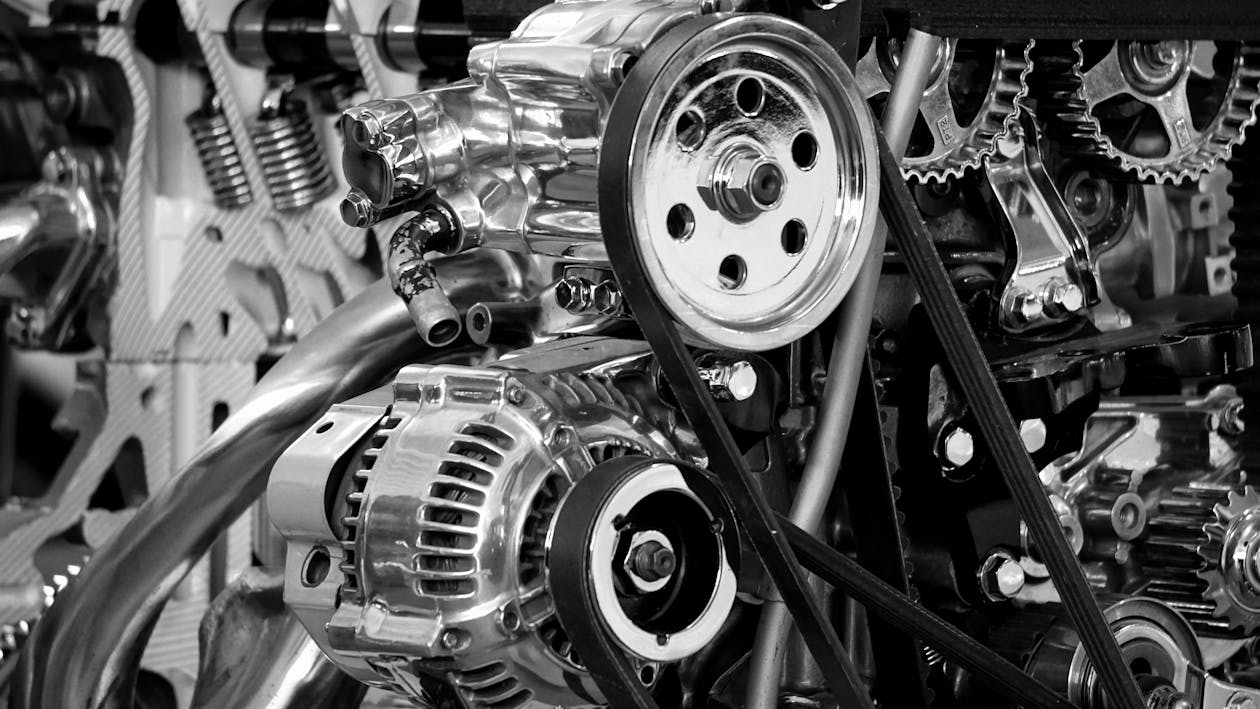
Auxiliary engines and generator set systems are essential components in modern ships, providing the electrical power required for onboard operations. Unlike the main propulsion engine, which drives the vessel forward, auxiliary engines are primarily responsible for generating electricity through
generator set configurations. These systems ensure that all electrical equipment, from navigation systems to lighting and accommodation services, operates reliably at all times.
In the maritime environment, ships function as self-contained units that must generate and manage their own power. A generator set, typically consisting of an auxiliary engine coupled with an electrical generator, plays a central role in maintaining this autonomy. Without a dependable generator set, a vessel would not be able to support critical onboard functions, making these systems indispensable in maritime operations.
The Role of Generator Set in Ship Power Systems
A generator set is the backbone of a ship’s electrical power system. It converts mechanical energy from auxiliary engines into electrical energy, which is then distributed throughout the vessel. This electricity powers essential systems such as navigation equipment, communication devices, pumps, and safety systems.
Auxiliary engines used in generator set configurations are designed for efficiency and reliability. They often operate continuously during voyages, ensuring that the ship has a stable power supply. Depending on the size and type of vessel, multiple generator set units may be installed to provide redundancy and load sharing.
This redundancy is crucial, as it ensures that even if one generator set fails, others can continue supplying power. This minimizes the risk of total power loss, which could have severe consequences for both safety and operations. In this way, the generator set system acts as a safeguard for uninterrupted maritime activity.
Operational Efficiency and Generator Set Performance
Efficiency is a key factor in maritime operations, and generator set performance directly influences fuel consumption and overall operational costs. Auxiliary engines must be optimized to deliver the required power output while minimizing fuel usage and emissions.
Modern generator set systems are equipped with advanced control technologies that allow for load management and automatic synchronization. These systems ensure that auxiliary engines operate within optimal parameters, avoiding unnecessary fuel consumption and wear.
For example, when the electrical demand on a ship decreases, fewer generator set units may be required. Intelligent systems can automatically shut down excess units, improving efficiency. Conversely, when demand increases, additional generator set units can be brought online seamlessly.
By optimizing generator set performance, ship operators can achieve significant cost savings and reduce their environmental impact, making these systems both economically and environmentally beneficial.
Maintenance Strategies for Generator Set and Auxiliary Engines
Regular maintenance of auxiliary engines and generator set systems is essential to ensure reliability and longevity. Due to the continuous operation of these systems, components are subject to wear and must be inspected and serviced regularly.
Preventive maintenance includes tasks such as oil changes, filter replacements, and inspection of critical components like pistons, valves, and cooling systems. By maintaining generator set units proactively, ship engineers can prevent unexpected failures and costly downtime.
Condition-based maintenance is also becoming more common in modern shipping. Sensors and monitoring systems provide real-time data on generator set performance, allowing engineers to detect potential issues before they escalate. This predictive approach improves efficiency and reduces maintenance costs.
Proper maintenance of generator set systems not only ensures reliable power generation but also supports compliance with international maritime regulations and standards.
Safety Considerations of Generator Set Systems
Safety is a fundamental concern in maritime operations, and generator set systems play a vital role in maintaining it. Reliable power is necessary for critical safety equipment, including fire detection systems, emergency lighting, and communication devices.
Auxiliary engines in generator set configurations must be designed and maintained to meet strict safety standards. Any failure in these systems could compromise the safety of the vessel, crew, and cargo. Therefore, redundancy and backup generator set units are often installed to ensure continuous power supply.
Emergency generator set systems are also a key requirement on ships. These systems are independent of the main power supply and are activated automatically in case of a blackout. They provide power to essential systems, enabling safe operation until normal conditions are restored.
Through proper design, operation, and maintenance, generator set systems contribute significantly to the overall safety of maritime operations.
Environmental Impact and Generator Set Technologies
The maritime industry is increasingly focused on reducing its environmental footprint, and generator set systems are central to this effort. Auxiliary engines are a major source of emissions, including carbon dioxide (CO₂), nitrogen oxides (NOₓ), and sulfur oxides (SOₓ).
To address this, modern generator set systems are being designed with cleaner technologies. These include the use of low-sulfur fuels, exhaust gas cleaning systems, and hybrid solutions that integrate batteries or alternative energy sources.
Energy-efficient generator set configurations also help reduce fuel consumption, which in turn lowers emissions. By optimizing load distribution and improving engine performance, ships can achieve more sustainable operations.
In addition, regulatory frameworks such as IMO emissions standards are driving the adoption of environmentally friendly generator set technologies. Compliance with these regulations is essential for operating in international waters.
Future Trends in Generator Set and Auxiliary Engine Systems
The future of generator set and auxiliary engine systems in the maritime industry is closely linked to technological innovation. Digitalization, automation, and alternative energy sources are transforming how ships generate and manage power.
One significant trend is the integration of smart systems that enable remote monitoring and control of generator set units. These systems provide real-time insights into performance, allowing for better decision-making and maintenance planning.
Hybrid generator set systems are also gaining popularity. By combining traditional auxiliary engines with battery storage, ships can reduce fuel consumption and emissions, particularly during low-load operations.
Furthermore, the development of alternative fuels such as LNG, hydrogen, and ammonia is expected to influence the design of future generator set systems. These innovations aim to create more sustainable and efficient maritime operations.
The Importance of Generator Set in Maritime Power Generation
In conclusion, auxiliary engines and generator set systems are vital to the functioning of modern ships. They provide the electrical power necessary for all onboard operations, ensuring safety, efficiency, and reliability.
The importance of generator set systems extends beyond basic power generation. They play a key role in operational efficiency, cost management, and environmental sustainability. With advancements in technology, these systems are becoming more sophisticated and capable of meeting the evolving demands of the maritime industry.
By investing in high-quality generator set systems and implementing effective maintenance and management strategies, ship operators can ensure reliable performance and long-term success. As the maritime sector continues to develop, generator set systems will remain a cornerstone of ship operations, supporting safe and efficient global trade.