Optimizing office acoustics: integrating professional av systems with modern wall design

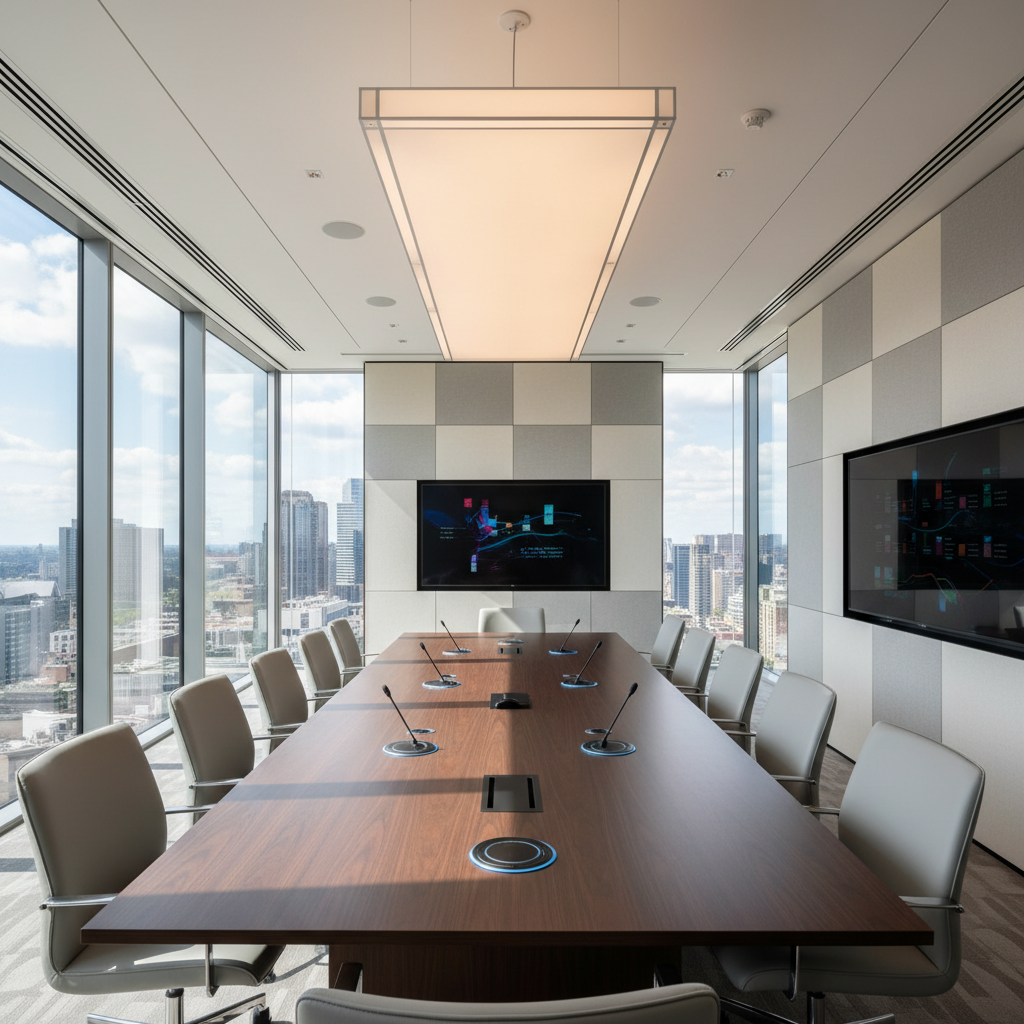
Creating a productive work environment requires a delicate balance between aesthetic design and functional sound management. Optimizing office acoustics involves integrating acoustic treatments like panels and diffusers with professional AV systems such as DSP and sound masking to minimize reverberation, enhance speech intelligibility, and boost productivity in hybrid work environments. Modern offices often feature hard surfaces like glass walls and open floor plans, which frequently cause excessive echoes that degrade audio quality. By addressing these challenges early in the design phase, companies can create spaces that support seamless communication and focus. Professionals looking to elevate their corporate audio environments often turn to Biamp Europe for scalable and reliable technology solutions that bridge the gap between architectural design and technical performance.

Acoustic treatment solutions for modern wall design

Effective acoustic management begins with the physical structure of the room. Modern wall designs now incorporate low-profile acoustic panels that are typically 1.5 inches deep, allowing for optimal sound absorption without compromising the visual appeal of the workspace. These panels are essential for absorbing mid-high frequency reflections, while diffusers can be strategically placed on back walls to scatter sound energy and prevent the buildup of hotspots. To achieve a comprehensive soundscape, organizations should also consider integrating bass traps in corners to manage low-frequency energy. When these treatments are planned in tandem with interior design, they require fewer units to be effective, providing a cost-efficient way to improve speech clarity during high-stakes meetings.

Professional av systems for acoustic optimization

Beyond physical treatments, the deployment of advanced AV hardware is crucial for managing the remaining environmental variables. Digital signal processing acts as the brain of the conference room, equalizing frequencies and applying dynamic range management to tailor audio output to the specific geometry of the space. In open-plan settings, sound masking systems introduce a subtle, constant background noise that helps mask distracting speech, effectively creating private focus bubbles for employees. These systems are highly adaptable, allowing facility managers to reconfigure audio zones as the office layout evolves or as team needs change. Integrating these professional tools ensures that even in challenging architectural spaces, remote and in-person participants can engage with perfect audio fidelity.

Expert recommendations for successful implementation

Achieving the best results requires a systematic approach that prioritizes analysis before installation. Conducting a professional acoustic survey allows teams to identify specific challenges related to room shape, materials, and potential noise leakage. Once the baseline is established, calibration becomes the final step in ensuring that speakers and microphones perform optimally regardless of the room size. Expert support is often necessary to maintain these standards as technology advances and office layouts are adjusted over time. By combining high-quality physical treatments with cutting-edge electronics, businesses can ensure that their communication infrastructure reflects the professionalism of their brand while supporting the long-term productivity of their workforce.

hi@thewhyhouse.com