The Core Technologies Behind a Modern Smart Home

The Core Technologies Behind a Modern Smart Home
A modern smart home is no longer just about turning on the lights with your voice. It’s a connected ecosystem of technologies designed to make daily life more comfortable, energy-efficient, and secure. From intelligent sensors to voice control and automation, the core technologies behind a smart home work together to create a living space that adapts to you.
Internet of Things – The Foundation of the Smart Home
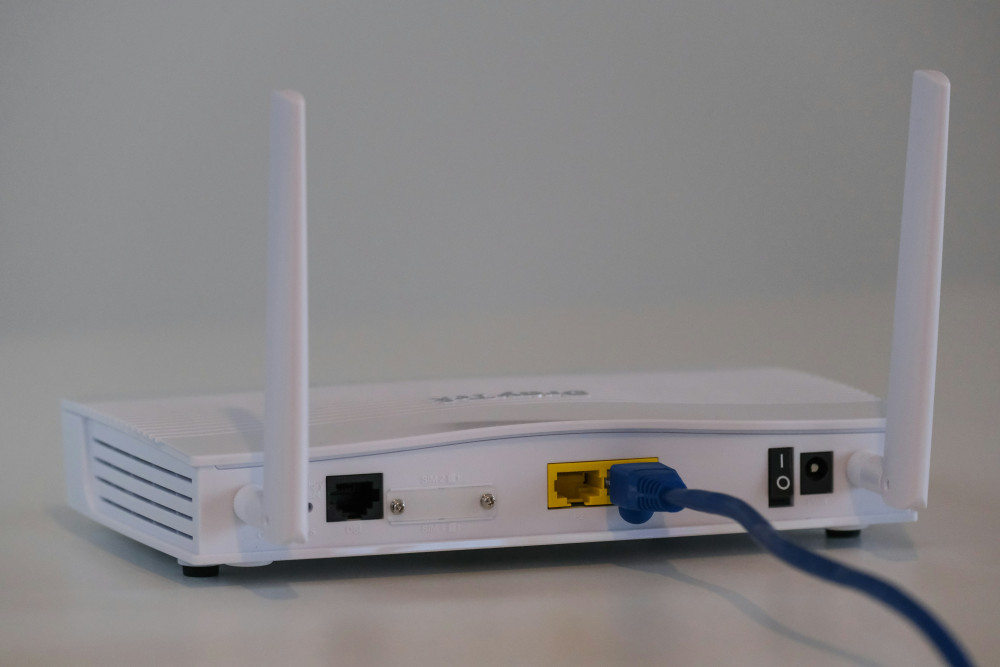
At the heart of every smart home lies the Internet of Things (IoT) – a network of devices that communicate with each other through the internet. These devices can include everything from thermostats and light bulbs to refrigerators and doorbells. IoT makes it possible to monitor and control your home’s functions from a smartphone or computer, no matter where you are.
IoT devices collect data about usage patterns and environmental conditions, which can be used to optimize energy consumption and comfort. For example, a smart thermostat can learn your daily routine and automatically adjust the temperature when you’re home or away.
Læs også:

Voice Control and Digital Assistants
Voice control has made smart home technology more accessible than ever. Digital assistants like Amazon Alexa, Google Assistant, and Apple Siri act as the bridge between you and your connected devices. With simple voice commands, you can turn on the lights, start the coffee maker, or lock the front door—without lifting a finger.
The technology is evolving toward more natural language understanding, allowing assistants to grasp context and preferences. This means you can have a more conversational interaction with your home, rather than just issuing commands.
Automation and Smart Routines
One of the most powerful features of a smart home is automation—the ability for devices to respond to each other without manual input. You can set up a “good morning” routine where the blinds open, the coffee starts brewing, and the lights gradually brighten when your alarm goes off.
Automation also enhances security. If a motion sensor detects movement while you’re away, the system can automatically turn on the lights and send an alert to your phone. These smart routines make your home both more convenient and more responsive.
Energy Efficiency and Sustainability
Smart home technology plays a key role in promoting sustainability. Intelligent thermostats, energy monitors, and solar integrations help reduce energy use without sacrificing comfort. In the U.S., where energy costs and environmental awareness are growing concerns, these tools can make a real difference.
A smart energy system can, for instance, take advantage of lower electricity rates during off-peak hours or automatically power down devices left on standby. In this way, smart technology becomes not just a convenience, but a tool for living more sustainably.
Security and Monitoring
Home security is one of the areas where smart technology has advanced the most. Modern systems combine cameras, sensors, and access control into a single platform that can be monitored from your phone. You can see who’s at the door, get alerts if a window is left open, or lock your doors remotely.
Many systems now use artificial intelligence to distinguish between normal and suspicious activity—recognizing family members and ignoring pets to reduce false alarms. This level of intelligence makes home monitoring both more reliable and less intrusive.
Data Protection and Privacy
As homes become more connected, data privacy becomes a critical issue. Every device linked to the internet can potentially be a weak point. That’s why encryption, access control, and regular software updates are essential to protect your personal information.
Some manufacturers are now focusing on local data processing, where information is handled directly within the home rather than being sent to the cloud. This approach gives users greater control over their data and builds trust in the technology.
The Future of the Smart Home – More Intuitive and Integrated
The future of the smart home is moving toward systems that don’t just respond to commands but anticipate needs. Artificial intelligence and machine learning will make these systems more intuitive, learning from your habits and adjusting automatically. At the same time, improved interoperability between brands means you won’t have to commit to a single ecosystem.
Tomorrow’s smart home will be a place where technology and human needs blend seamlessly—a home that’s not just smart, but truly in tune with the people who live in it.
Læs også: