Flexible Electricity Use Explained – How Smart Energy Management Works in Practice

Flexible Electricity Use Explained – How Smart Energy Management Works in Practice
Electricity use in American homes is changing. Instead of simply turning on appliances whenever we need them, more and more households are using intelligent systems that adjust power consumption based on prices, weather, and usage patterns. This is called flexible electricity use – and it’s becoming a key part of the clean energy transition. But how does it actually work in practice, and what does it mean for you as a consumer?
What Is Flexible Electricity Use?
Flexible electricity use means consuming power when it’s cheapest and cleanest. Electricity prices can vary throughout the day depending on how much renewable energy—like wind and solar—is available on the grid. When the sun is shining or the wind is blowing, electricity is both greener and often less expensive. That’s the ideal time to charge your electric vehicle, run your heat pump, or do the laundry.
Instead of everyone using power at the same time—typically in the morning and evening—flexible use spreads demand more evenly across the day. This helps reduce stress on the grid, lowers the need for fossil-fueled backup plants, and can save you money.
Smart Energy Management at Home
To make flexible electricity use work in practice, you need technology that can automatically respond to price and usage data. That’s where smart energy management comes in.
A smart energy management system can connect to your power-hungry devices—like your EV charger, heat pump, or major appliances—and control them based on real-time electricity prices and your preferences. For example, you can set your EV to be fully charged by 7 a.m., and the system will automatically charge it during the cheapest hours overnight.
Many systems can also factor in weather forecasts, so your heat pump runs more efficiently on sunny days, or your home battery stores energy when there’s an abundance of renewable power on the grid.
Everyday Examples
Flexible electricity use might sound technical, but it’s surprisingly easy to integrate into daily life. Here are a few examples:
- Electric vehicle (EV): With a smart charger, your car can automatically charge when electricity prices are lowest—often late at night—saving you money every month.
- Heat pump: A smart system can adjust your home’s temperature so it uses more power when it’s cheaper, without sacrificing comfort.
- Washer and dryer: Many modern machines can be scheduled or started remotely. You can set them to run when electricity is cheapest—say, midday when solar power is abundant.
- Home battery: If you have rooftop solar panels, a battery can store excess energy and use it later when prices rise or the grid is under strain.
Benefits for You and the Environment
Flexible electricity use isn’t just good for your wallet—it’s also a crucial part of building a cleaner energy system. When more people shift their consumption to times when renewable energy is plentiful, it becomes easier to integrate wind and solar power into the grid.
For you as a consumer, the benefits include:
- Lower electricity bills – by using power during the cheapest hours.
- Cleaner energy – by consuming electricity when it’s most renewable.
- A more reliable grid – by reducing peak demand and the need for costly infrastructure upgrades.
How to Get Started
You don’t need to be a tech expert to start using electricity more flexibly. Here are some simple steps:
- Choose a time-of-use rate plan – many U.S. utilities now offer pricing that varies by hour or time of day.
- Install a smart meter – most homes already have one, but check with your utility to be sure.
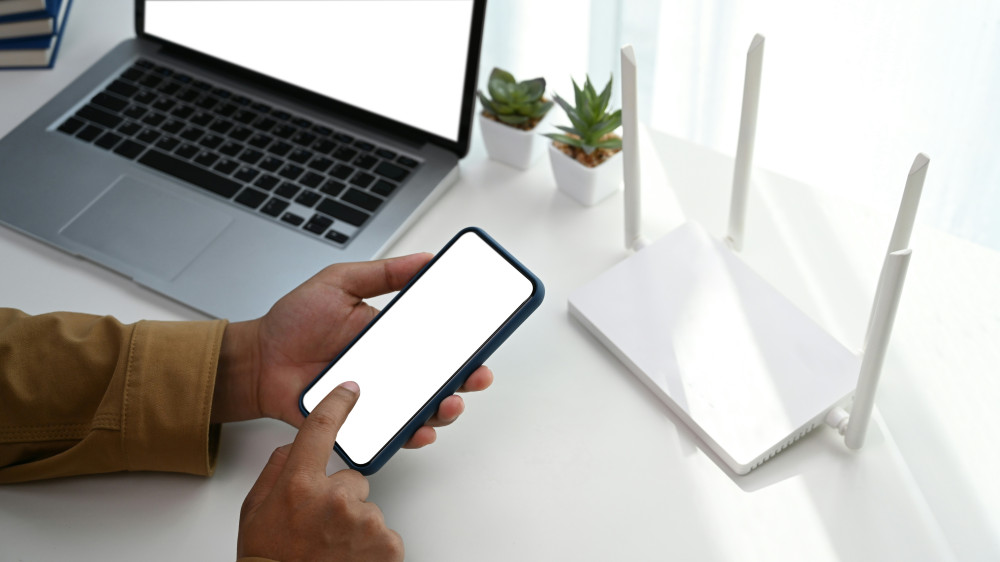
- Use apps or energy management tools – many utilities and third-party providers offer apps that show real-time prices and usage.
- Automate your consumption – with smart plugs, connected chargers, or a full smart home system, you can let technology handle the timing for you.
Læs også:
The Future of Flexible Electricity Use
In the coming years, flexible electricity use will become even more important. As more Americans adopt electric vehicles, heat pumps, and rooftop solar, the grid will need to handle larger swings in both supply and demand. Smart, automated systems will be essential to keep everything balanced.
Energy companies and tech developers are already working to make these systems more user-friendly, so flexibility happens automatically—without you having to think about it. The goal is simple: a cleaner, more efficient energy system that fits seamlessly into everyday life.
Flexible electricity use isn’t just a technical innovation—it’s a smarter, greener way to power our homes and our future.
Læs også: