Screen Size and Immersion: How Much Does the Format Affect Your Gaming Experience?

Screen Size and Immersion: How Much Does the Format Affect Your Gaming Experience?
When you sit down to play a game, it’s not just about what you’re playing—it’s also about how you’re seeing it. The size, resolution, and format of your screen can have a surprising impact on how deeply you get drawn into the game world. But how much does it really matter whether you’re playing on a 24-inch monitor, a 65-inch TV, or a VR headset? Let’s explore how screen format shapes your gaming experience—both technically and psychologically.
Size Matters—But Not Always the Way You Think
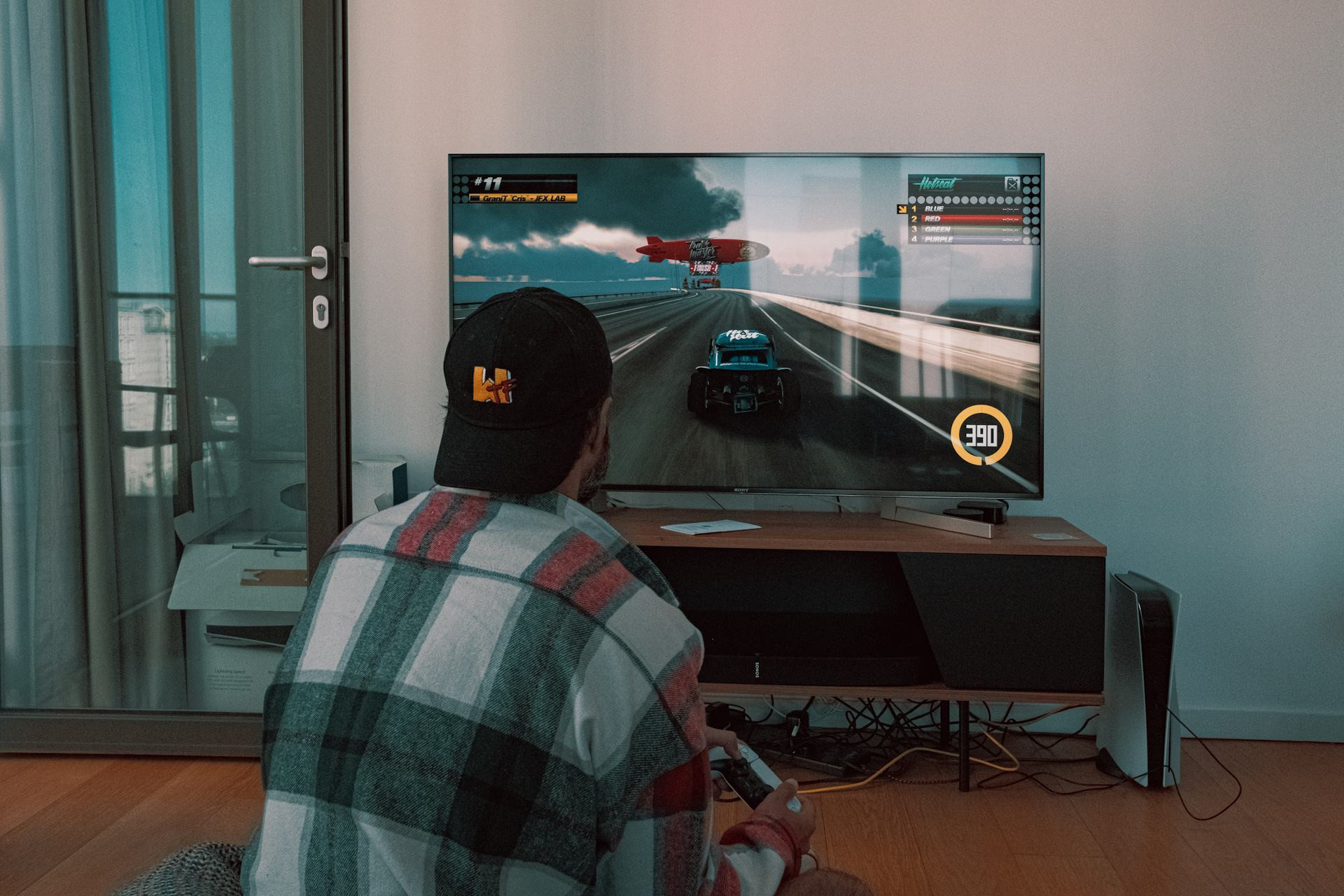
A bigger screen might seem like a guaranteed path to a more immersive experience. When the image fills more of your field of view, it’s easier to lose yourself in the game’s universe. That’s especially true for cinematic titles like Red Dead Redemption 2 or God of War Ragnarök, where sweeping landscapes and fine details come alive on a large display.
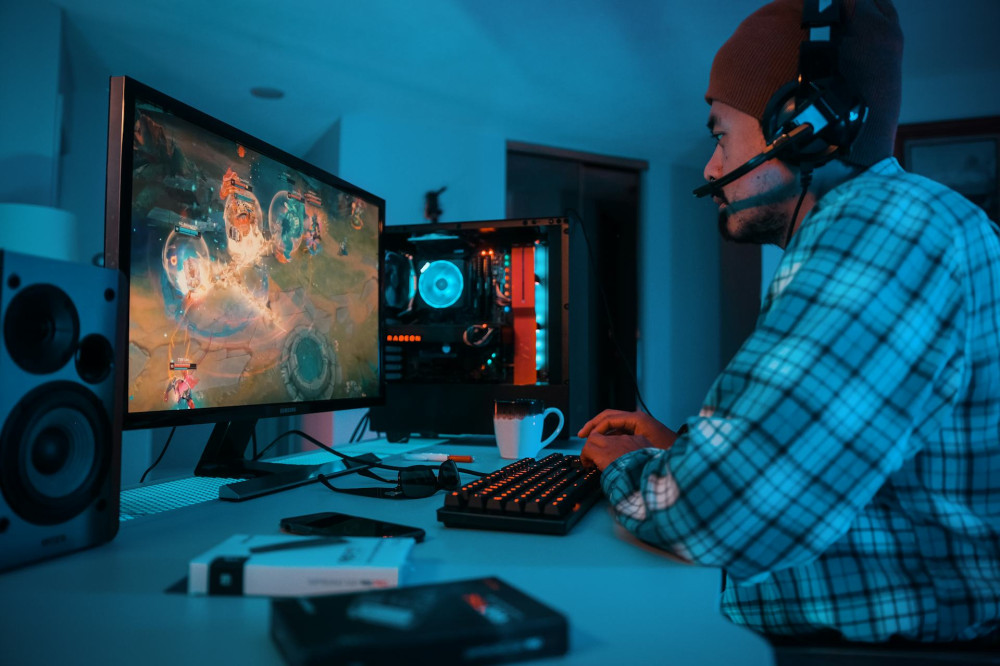
But bigger isn’t always better. Sit too close to a massive screen, and you can lose focus or strain your eyes. For many PC gamers, a 27-inch monitor with high resolution and a fast refresh rate is often the sweet spot. It’s all about balance—between size, distance, and image quality.
Resolution and Image Quality—Sharpness Creates Presence
Resolution plays a key role in how realistic and detailed a game feels. The jump from Full HD to 4K has made it possible to see every texture, reflection, and particle effect in stunning clarity. That sharpness adds depth and authenticity, pulling you further into the experience.
However, higher resolution demands more from your hardware. If your frame rate drops, immersion breaks instantly. That’s why many gamers prefer a lower resolution with a higher refresh rate—say, 144 Hz—over pushing everything to 4K. Smooth motion is just as important for immersion as visual sharpness.
Læs også:



Aspect Ratio and Field of View—When the Image Wraps Around You
The aspect ratio—the relationship between a screen’s width and height—affects how much of the game world you can see. The standard 16:9 format is still dominant, but ultrawide 21:9 and even super-ultrawide 32:9 monitors are gaining popularity. They expand your field of view, making racing games and first-person shooters feel more natural and enveloping.
That wider perspective can also change the mood of a game. Some titles feel more cinematic and relaxed, while others become more intense because you’re taking in more visual information at once. Ultimately, it depends on the type of game you’re playing—and how you prefer to experience it.
Immersion and Psychology—When the Brain Forgets Reality
Immersion isn’t just about technology; it’s also about psychology. The more a game engages your senses, the easier it is to forget you’re sitting in front of a screen. A large, bright display in a dark room can create a theater-like atmosphere where time seems to disappear.
But immersion can also happen on a small screen. Many players find themselves completely absorbed in a mobile game during a commute because the design encourages short, focused bursts of attention. That shows immersion isn’t only about screen size—it’s about how the game and the format work together.
VR and the Future of Formats—Total Presence
Virtual reality takes immersion to the next level. In VR, the screen disappears entirely, and you’re placed inside the game world. Headsets like Meta Quest 3 and PlayStation VR2 deliver a sense of presence that no flat display can match. You’re not just looking at the game—you’re in it.
But VR also demands more from the player. It can be physically tiring, and not everyone enjoys the intensity of full immersion. That’s why VR is unlikely to replace traditional screens entirely—it’s more of a complementary experience, offering a different kind of engagement.
Finding Your Ideal Setup
There’s no single “perfect” screen size for everyone. It depends on how and where you play:
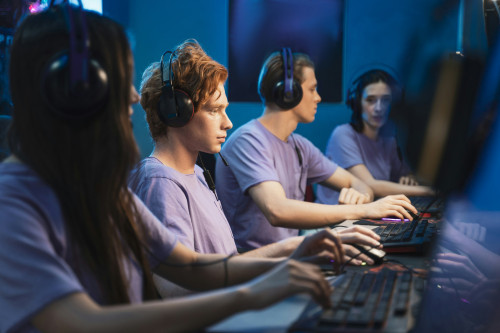
- For PC gaming: A 24–27-inch monitor with a high refresh rate (144 Hz or higher) and low response time offers the best balance of clarity and responsiveness.
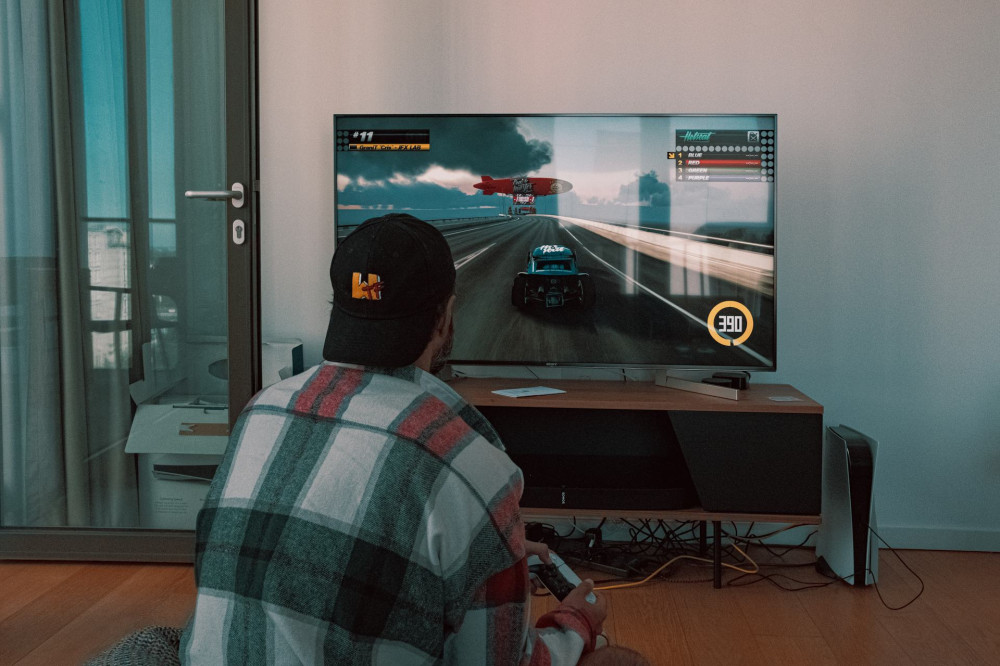
- For console gaming in the living room: A 55–65-inch 4K TV with accurate color and low input lag delivers a cinematic experience.
- For mobile gaming: Brightness and touch responsiveness matter more than size.
- For VR: Comfort and headset resolution are key—it’s not about screen size, but how natural the experience feels.
The most important thing is that your setup fits your play style. A great gaming experience is ultimately about the harmony between technology, comfort, and atmosphere.
Immersion Is More Than Pixels
Screen size and format can amplify your experience, but they can’t create immersion on their own. It’s the game’s design, sound, storytelling, and your own engagement that determine how deeply you get drawn in. The best screen is the one that makes you forget you’re looking at one.
Læs også: