Ready for Esports? How to Take Your First Steps Toward the Tournaments

Ready for Esports? How to Take Your First Steps Toward the Tournaments
Esports is no longer a niche hobby—it’s a global competition where millions of players battle for glory, prizes, and recognition. But how do you go from playing casually at home to competing in real tournaments? Whether your dream is to play Counter-Strike 2, League of Legends, or Rocket League, success starts with preparation, structure, and the right mindset. Here’s your guide to taking the first steps into the world of esports.
Find Your Game and Your Role
The first step is choosing the game you want to focus on. Most professional players specialize in one title because mastering its mechanics, strategies, and meta takes time and dedication.
Think about what motivates you:
- Do you enjoy fast reflexes and precision? Try Counter-Strike 2 or Valorant.
- Prefer teamwork and strategy? League of Legends or Dota 2 might be your fit.
- Love sports and one-on-one competition? Look into FIFA or Rocket League.
Once you’ve chosen your game, figure out your role. In team-based games, understanding your strengths is key—are you the tactical leader, the aggressive playmaker, or the reliable support? Knowing your role helps you grow faster and contribute more effectively to your team.
Train Like an Athlete—Mentally and Physically
Esports isn’t just about quick hands; it’s about focus, discipline, and learning from mistakes. Create a training plan that includes time for practice, analysis, and rest.
- Gameplay practice: Work on specific skills like aim, movement, timing, or communication.
- Analysis: Review your matches to identify patterns and mistakes. Many players use replay tools or record their games for review.
- Mental strength: Learn to handle losses. In esports, defeat is part of the process—what matters is how you respond. Treat every loss as a lesson.
Don’t overlook physical health. Sleep, exercise, and nutrition all affect your reaction time and concentration. A healthy body supports a sharp mind.
Build Your Network and Find a Team
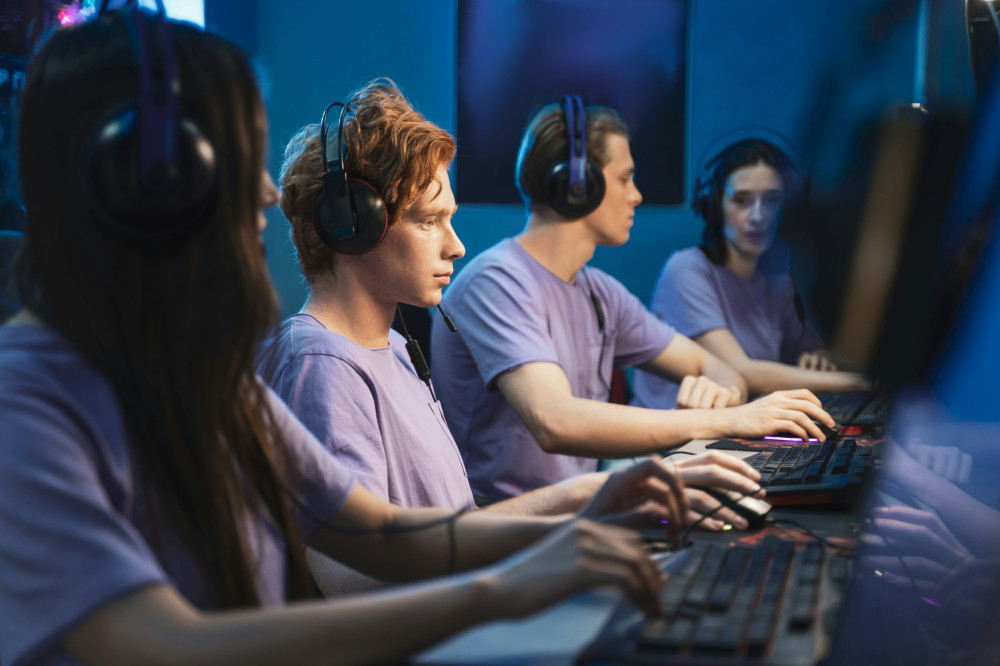
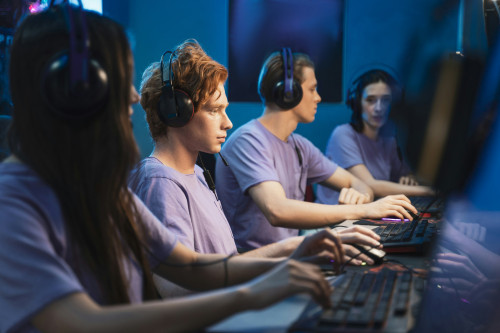
While you can start solo, esports becomes truly rewarding when you connect with others. Join online communities, Discord servers, or local gaming clubs. These spaces are great for finding teammates, coaches, and practice partners.
Many online platforms host open qualifiers and amateur tournaments where anyone can compete. They’re perfect for gaining experience and meeting players at your level.
If you want to take it further, look for local esports organizations or college esports programs. Many U.S. universities now offer esports clubs—and even scholarships—for competitive players. Structured coaching and team environments can accelerate your growth.
Gear and Setup—Your Digital Arena
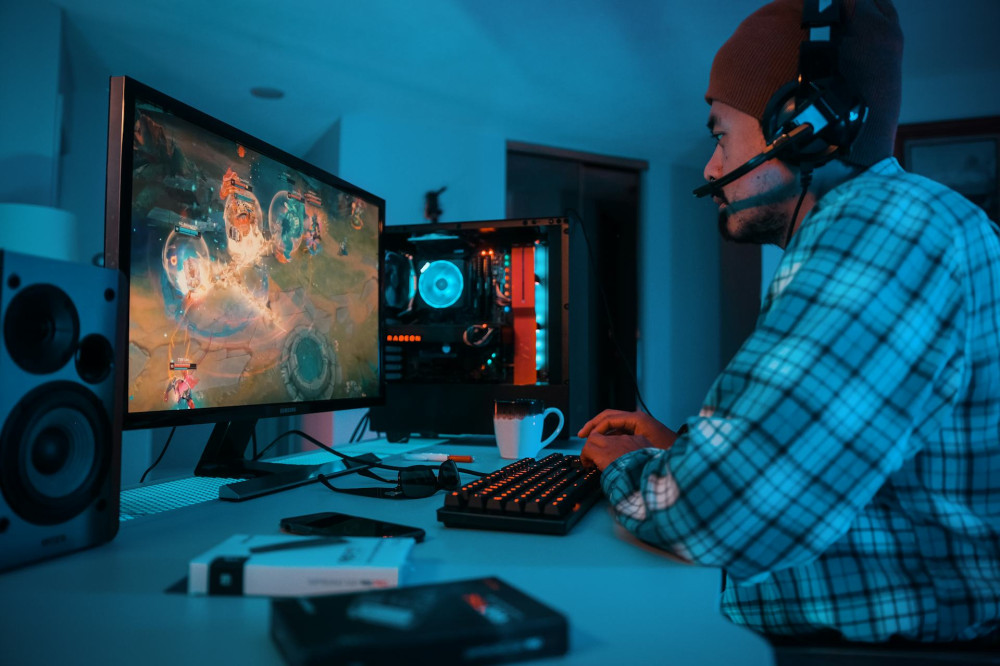
You don’t need the most expensive gear to start, but stability and comfort matter. Make sure you have:
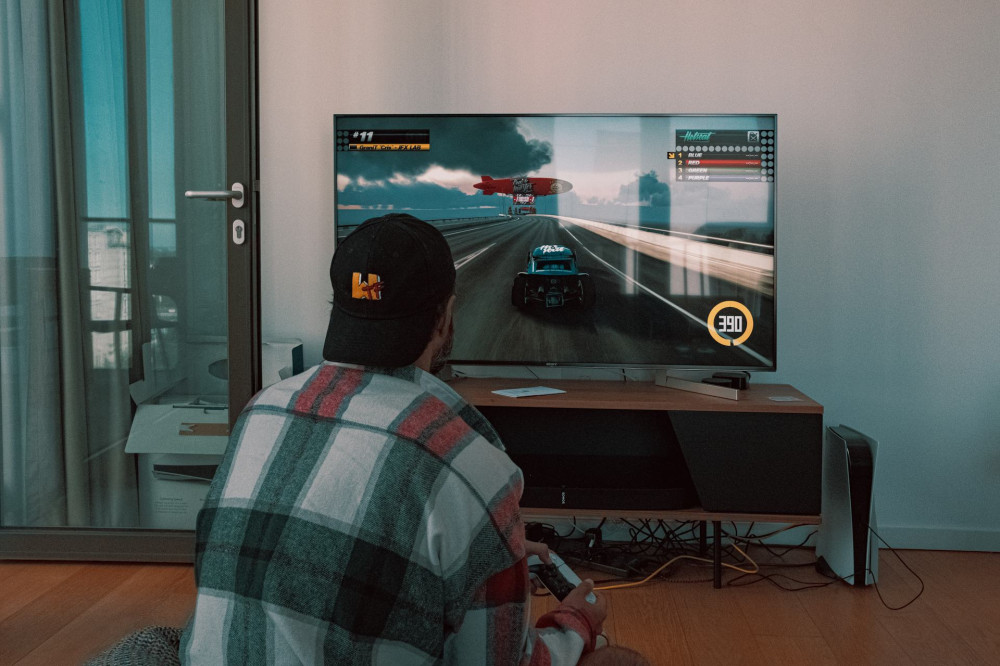
- A PC or console that runs your game smoothly.
- A high-refresh-rate monitor (at least 120 Hz) for fluid visuals.
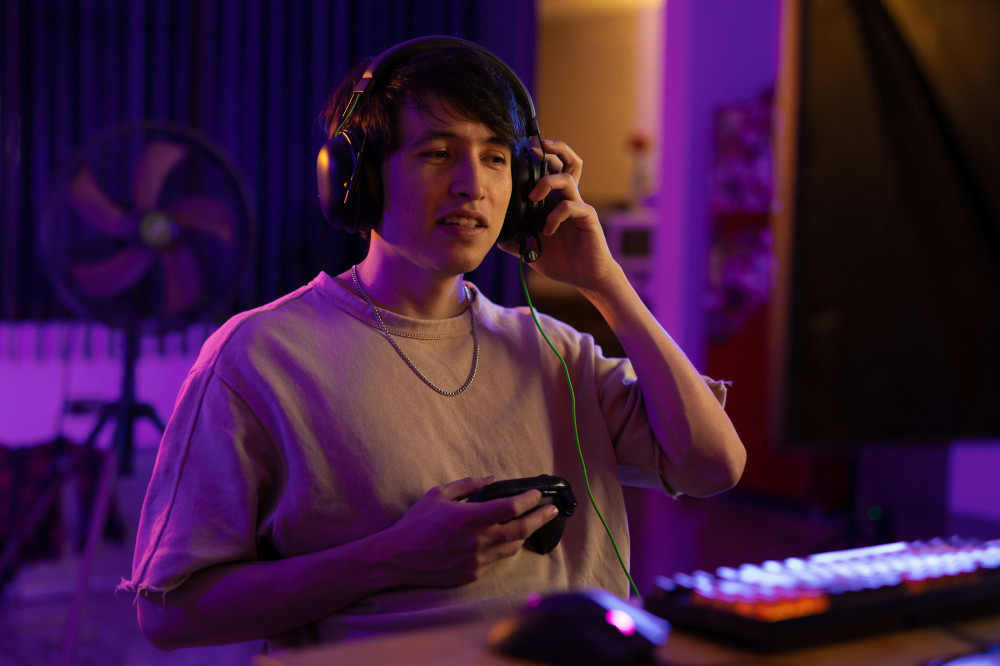
- A quality headset for clear communication.
- A mouse and keyboard (or controller) that fit your playstyle.
Customize your setup for comfort. Adjust lighting, sound, and seating so you can play for long sessions without fatigue. Small tweaks can make a big difference in performance.
Enter Your First Tournaments
When you feel ready, jump into competition. Start small—platforms like Faceit, ESEA, Battlefy, and Toornament host beginner-friendly events. These are great opportunities to experience the pressure of competition and learn how tournaments work.
Don’t expect to win right away. Focus on gaining experience, understanding the format, and improving with each match. As you progress, you can aim for larger events, including LAN tournaments where you compete in person.
Balance Gaming and Everyday Life
Esports can be all-consuming, but balance is essential. School, work, and relationships still matter. Many pros emphasize that maintaining balance is key to long-term success.
Create a schedule that includes both training and downtime. This helps you stay motivated and avoid burnout. Remember, esports should be fun—even when you’re serious about improving.
Læs også:


Ready for the Next Level?
Taking your first steps toward esports tournaments isn’t just about getting better at a game. It’s about learning discipline, teamwork, and how to perform under pressure—skills that matter both on and off the screen.
So pick your game, set your goals, and start training. You might not become a pro overnight, but the journey itself is rewarding. And who knows—one day, you might find yourself on stage, headset on, with the crowd cheering your name.
Læs også: