The complete guide to cyber security for beginners
Learn the basics of cyber security and protect your digital devices with this e-book. From virus protection to strong passwords, youll get tips and tools to protect yourself from online threats and keep your data safe.
Download guide

Scalable IT Architecture: How to Build Systems That Grow with Your Business


Design IT systems that scale seamlessly as your business grows
Support
Support
6 min
Discover how to build a scalable IT architecture that evolves with your company’s needs. Learn the key principles behind flexible system design, efficient data management, and continuous optimization to ensure your technology supports long-term growth.
Autumn Diaz
Autumn
Diaz

Scalable IT Architecture: How to Build Systems That Grow with Your Business

Design IT systems that scale seamlessly as your business grows
Support
Support
6 min
Discover how to build a scalable IT architecture that evolves with your company’s needs. Learn the key principles behind flexible system design, efficient data management, and continuous optimization to ensure your technology supports long-term growth.
Autumn Diaz
Autumn
Diaz

As your business expands, your IT systems must keep pace. What worked perfectly for a small startup can quickly become a bottleneck as your customer base, data volume, and team size grow. Scalable IT architecture is about designing systems that can evolve with your business—without sacrificing performance, security, or flexibility. Here’s how to plan and build an architecture that supports sustainable growth.

What Does Scalability Mean?

Scalability refers to a system’s ability to handle increased load—more users, more data, or more transactions—without breaking down. A scalable system can expand gradually, so capacity grows in step with business needs.

There are two main types of scaling:

  • Vertical scaling (scale up): Adding more resources to a single server, such as additional memory or faster processors. It’s simple but limited by hardware constraints.
  • Horizontal scaling (scale out): Adding more servers or instances that work together. It requires more planning but offers greater flexibility and resilience.

Most modern systems combine both approaches to balance performance, cost, and reliability.

Build on a Solid Foundation

A scalable architecture starts with the right principles. It’s not just about technology—it’s about structure, culture, and process.

  • Modularity: Break your system into smaller, independent components that can be developed, deployed, and replaced separately. This makes it easier to adapt and expand.
  • Loose coupling: Avoid tight dependencies between components. Use APIs and standardized interfaces so that changes in one area don’t disrupt the entire system.
  • Automation: Automate as much as possible—from testing and deployment to monitoring and scaling. Automation reduces human error and enables faster, more reliable growth.
  • Cloud-first mindset: Cloud platforms like AWS, Microsoft Azure, and Google Cloud provide flexible, on-demand resources that can scale up or down as needed. This gives you both technical agility and cost efficiency.

Data Management – The Hidden Challenge

As systems grow, data grows even faster. Managing that data efficiently is one of the biggest challenges in scalable architecture.

Plan early for how data will be stored, accessed, and synchronized. A single monolithic database can quickly become a bottleneck. Instead, consider:

  • Sharding: Split data by function, geography, or business domain to distribute load.
  • Caching layers: Use caching to reduce database strain from repetitive queries.
  • Asynchronous processing: Handle heavy tasks in the background to keep user experiences fast and responsive.

The key is to design for data scalability from the start—it’s far harder to retrofit later.

Microservices – Flexibility in Action

Many modern organizations adopt a microservices architecture, where the system is composed of small, self-contained services that communicate through APIs. Each service can be developed, deployed, and scaled independently.

The benefits are clear: faster development cycles, better fault isolation, and the freedom to use different technologies for different needs. The trade-off is increased complexity—especially in orchestration, monitoring, and security. That’s why microservices work best in teams with a mature DevOps culture and strong automation tools.

Monitoring and Continuous Optimization

A scalable system is never “done.” It must be monitored, measured, and optimized continuously. Use observability tools to collect metrics on performance, response times, and errors, and set up alerts so you can address issues before they affect users.

Consider implementing auto-scaling, where the system automatically adds or removes resources based on demand. This ensures you maintain performance during peak times while controlling costs during slower periods.

Security and Compliance as You Grow

As your system scales, so does your exposure to security risks and compliance requirements. Scalable architecture must have security built in from the start—not added as an afterthought.

  • Implement access control and encryption at every layer.
  • Maintain logging and traceability to track and audit system activity.
  • Stay current with compliance standards such as SOC 2, HIPAA, or GDPR, especially if you expand into new markets or handle sensitive data.

Security should be an enabler of growth, not a barrier to innovation.

Scalability as a Competitive Advantage

A well-designed IT architecture isn’t just a technical necessity—it’s a strategic advantage. Businesses that can scale quickly respond faster to market opportunities, handle growth without downtime, and avoid costly reengineering.

Building for scalability is ultimately about thinking long-term: creating systems that not only meet today’s needs but are ready for tomorrow’s challenges—no matter how big your business becomes.

Mental Health in the Workplace – Technology as Support in a Modern Workplace Strategy
How digital tools and thoughtful leadership can strengthen mental well-being at work
Support
Support
Mental Health
Workplace Strategy
Employee Well-Being
Digital Tools
Leadership
3 min
As mental health becomes a key part of workplace strategy, technology offers new ways to support employees and build sustainable, people-centered organizations. Discover how digital solutions, hybrid work models, and modern leadership can promote well-being and resilience in today’s workplaces.
Maia Lopez
Maia
Lopez
CRM as a Common Language: Building Shared Customer Understanding Across Departments
Turn customer data into a shared language that unites teams and drives better relationships
Support
Support
CRM
Customer Experience
Collaboration
Data Management
Business Strategy
7 min
Discover how a CRM system can bridge departmental silos by creating a common understanding of the customer. Learn how shared insights, leadership support, and a data-driven culture can strengthen collaboration and deliver a more consistent customer experience.
Savannah Jones
Savannah
Jones
New Technology Requires Learning – How to Assess the Need for Training and Support
Make new technology work for people through smart learning and support
Support
Support
Technology Adoption
Employee Training
Change Management
Digital Transformation
Workplace Learning
4 min
Introducing new technology is only half the challenge—the real success lies in how well employees can use it. Learn how to assess training needs, design effective learning programs, and provide the right support to ensure technology adoption that truly benefits your organization.
Daisy Adams
Daisy
Adams
Scalable IT Architecture: How to Build Systems That Grow with Your Business
Design IT systems that scale seamlessly as your business grows
Support
Support
IT Architecture
Scalability
Business Growth
System Design
Technology Strategy
6 min
Discover how to build a scalable IT architecture that evolves with your company’s needs. Learn the key principles behind flexible system design, efficient data management, and continuous optimization to ensure your technology supports long-term growth.
Autumn Diaz
Autumn
Diaz
Automate Smarter: Achieve Efficient IT Operations Without Major Investments
Unlock the power of smart automation to streamline IT operations and boost efficiency on a budget
Support
Support
IT Automation
Efficiency
Small Business
Digital Transformation
Cost Optimization
5 min
Discover how small and mid-sized businesses can achieve smarter, more efficient IT operations without major investments. Learn practical steps to automate key processes using existing tools, open-source solutions, and a strategic approach that delivers lasting results.
Alexander Jones
Alexander
Jones
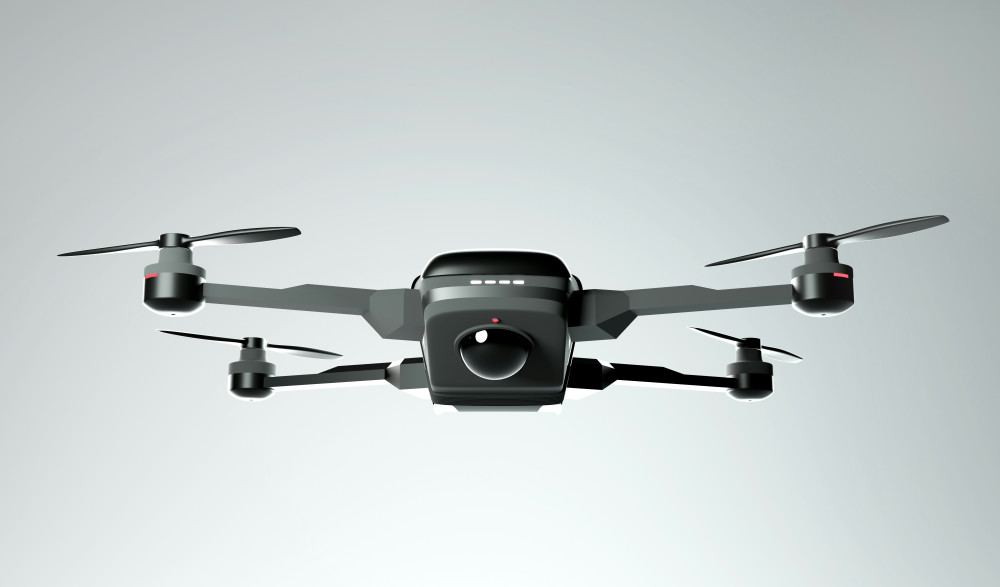
Drones – get a complete overview of models and features
Experience new perspectives with modern drone technology for both leisure and home use
Technology
Technology
Drones
Smart home
Technology
Home
Gadgets
7 min
Get a complete overview of drones for both hobby and home use. The article reviews different types and features so you can find the model that best suits your needs and budget.
Maia Lopez
Maia
Lopez
Lenses for every photography enthusiast – see the selection and get inspired
Find the right lens for your creative visions and get more out of your camera
Technology
Technology
Photo equipment
Lenses
Camera
Photography
Technology
4 min
Explore a selection of lenses for all types of photography. Get an overview of different models, features and areas of use, and find inspiration to choose the lens that best suits your creative needs.
Savannah Jones
Savannah
Jones
Camera tripods – a practical overview for those who want to compare models
Get stable shots and flexible angles with the right tripod for your camera
Technology
Technology
Camera tripod
Photography equipment
Video recording
Photography
Technology
7 min
Camera tripods provide stability and control in your shots. Here you get an overview of different types, features and materials, so you can easily compare models and find the tripod that best suits your camera.
Daisy Adams
Daisy
Adams
Different instant cameras – from classic to modern design
Capture the moment with cameras that combine nostalgia and today’s technology
Technology
Technology
Instant camera
Photography
Gadgets
Retro
Everyday technology
2 min
Instant cameras combine retro charm with modern technology. In this article, you get an overview of different models and features, so you can find the camera that best suits your style and needs.
Autumn Diaz
Autumn
Diaz
Overview: Mobile phone holders for many purposes and needs
Make everyday life easier with the right holder for your smartphone
Technology
Technology
Mobile phone holder
Smartphone
Accessories
Gadgets
Everyday technology
5 min
Get an overview of different types of mobile phone holders for car, bike, office and home. The article provides insight into features and possible uses, so you can find the solution that best suits your everyday life.
Alexander Jones
Alexander
Jones
Overview of modems with different technologies and features
Find the right modem for your internet connection and your needs
Broadband
Broadband
Modem
Internet
Network
Technology
Connection
3 min
Get an overview of different types of modems and their features. The article reviews technologies such as DSL, cable, fibre and 5G, so you can find the modem that best suits your internet connection.
Maia Lopez
Maia
Lopez
Overview: Access points for different needs and network solutions
Get stable and fast wireless network throughout your home
Broadband
Broadband
Wi-Fi
Network
Access point
Smart home
Internet
7 min
Get control of your wireless network with the right access point. The article provides an overview of different types and functions, so you can find the solution that best suits your home and your needs.
Savannah Jones
Savannah
Jones