The complete guide to cyber security for beginners
Learn the basics of cyber security and protect your digital devices with this e-book. From virus protection to strong passwords, youll get tips and tools to protect yourself from online threats and keep your data safe.
Download guide

Synchronous or Asynchronous? How Your Choice Affects System Integration


Understand how communication patterns shape performance, scalability, and reliability in modern system integration
Development
Development
5 min
Choosing between synchronous and asynchronous communication can define how efficiently your systems interact. This article explains the key differences, benefits, and trade-offs of each approach—and helps you decide which model best supports your integration goals.
Maia Lopez
Maia
Lopez

Synchronous or Asynchronous? How Your Choice Affects System Integration

Understand how communication patterns shape performance, scalability, and reliability in modern system integration
Development
Development
5 min
Choosing between synchronous and asynchronous communication can define how efficiently your systems interact. This article explains the key differences, benefits, and trade-offs of each approach—and helps you decide which model best supports your integration goals.
Maia Lopez
Maia
Lopez

When systems need to communicate, developers face a fundamental decision: should the communication be synchronous or asynchronous? The choice has a major impact on how data flows, how errors are handled, and how scalable and resilient your integration becomes. In an era where U.S. businesses connect everything from internal applications to cloud services and IoT devices, understanding the difference—and when to use each approach—is more important than ever.

What Do Synchronous and Asynchronous Mean?

In a synchronous integration, communication happens in real time. One system sends a request and waits for a response before continuing. It’s like a phone call: both parties must be available at the same time, and the conversation stops if the connection drops. Common examples include REST APIs or SOAP web services, where the client expects an immediate reply.

In an asynchronous integration, messages are sent without waiting for an instant response. The system delivers its message—often through a queue, event bus, or message broker—and then moves on. It’s more like sending an email: the recipient can read and respond when ready. Technologies such as RabbitMQ, Apache Kafka, or AWS SQS are often used for this type of communication.

Advantages and Disadvantages of Synchronous Integration

The synchronous approach is intuitive and straightforward to implement. It works well when you need immediate feedback—for example, when a user action requires an instant result.

Advantages:

  • Easy to understand, test, and debug.
  • Ideal for real-time interactions where a quick response is essential.
  • Simplifies validation and error handling within a single flow.

Disadvantages:

  • Systems become tightly coupled—if one system goes down, the entire chain can fail.
  • Harder to scale when handling large volumes of requests.
  • Increases the risk of bottlenecks and timeout errors.

Synchronous communication is best suited for scenarios where reliability and instant response matter most—such as payment processing, authentication, or real-time data validation.

Advantages and Disadvantages of Asynchronous Integration

Asynchronous communication offers greater resilience and flexibility. Systems can operate independently, and temporary failures in one component don’t necessarily disrupt the others.

Advantages:

  • Systems can continue working even if a recipient is temporarily unavailable.
  • Easier to scale and handle large data volumes.
  • Supports loose coupling and event-driven architectures.

Disadvantages:

  • More complex error handling—responses may not arrive immediately.
  • Harder to trace the full data flow across systems.
  • Often requires more sophisticated infrastructure and monitoring.

Asynchronous integration is ideal when high availability and scalability are more important than instant feedback—such as in logging, analytics, or order processing systems that can run in the background.

When Should You Choose Which?

There’s no one-size-fits-all answer—it depends on your context. Many modern architectures combine both approaches.

  • Choose synchronous when you need direct feedback, transactional integrity, or real-time user interaction.
  • Choose asynchronous when you want high resilience, loose coupling, and the ability to scale without slowing down the entire system.

Consider an e-commerce platform: when a customer clicks “Buy,” the payment process might happen synchronously so the customer gets immediate confirmation. But inventory updates, invoicing, and shipping notifications can be handled asynchronously in the background.

Hybrid Solutions – The Best of Both Worlds

In practice, many organizations adopt a hybrid approach, combining synchronous and asynchronous integrations to leverage the strengths of both. For example, an API might receive an order synchronously, then publish asynchronous messages to other systems for fulfillment and reporting. This way, the user gets a fast response while the system remains robust and scalable.

How to Make the Right Choice

When deciding which integration style fits your needs, ask yourself three key questions:

  1. How critical is response time? Does the user need an immediate answer, or can the process run in the background?

  2. How dependent are the systems on each other? Can they tolerate downtime in one component without halting the entire process?

  3. How should the solution scale? Do you need to handle thousands of messages per second, or is simplicity more important?

By weighing these factors, you can find the balance that best fits your organization’s goals—and build integrations that are efficient, stable, and ready for the future.

Synchronous or Asynchronous? How Your Choice Affects System Integration
Understand how communication patterns shape performance, scalability, and reliability in modern system integration
Development
Development
System Integration
Software Architecture
API Design
Scalability
Cloud Computing
5 min
Choosing between synchronous and asynchronous communication can define how efficiently your systems interact. This article explains the key differences, benefits, and trade-offs of each approach—and helps you decide which model best supports your integration goals.
Maia Lopez
Maia
Lopez
Version Control in Practice – Master Your Code and Collaboration
Take control of your code and collaborate seamlessly with version control
Development
Development
Version Control
Git
Software Development
Collaboration
Programming Best Practices
2 min
Discover how version control systems like Git can transform the way you and your team develop software. Learn the principles, best practices, and tools that keep your projects organized, efficient, and ready to scale.
Savannah Jones
Savannah
Jones
Monolithic or Modular? Find the Right Software Architecture for Your Project
Make an informed choice between monolithic and modular architectures to build software that grows with your needs
Development
Development
Software Architecture
Monolithic
Microservices
Scalability
Development Strategy
3 min
Choosing the right software architecture can define your project’s success. Learn the key differences between monolithic and modular (or microservices) structures, their advantages and challenges, and how to select the best fit for your team, goals, and long-term scalability.
Daisy Adams
Daisy
Adams
Security from the Start: Integrate Protection into Network Communication
Build stronger systems by embedding security into every layer of network communication
Development
Development
Network Security
Cybersecurity
Software Development
Data Protection
IT Strategy
2 min
Security is most effective when it’s part of the design, not an afterthought. Learn how to integrate protection into your network communication from the first line of code to daily operations, and turn security into a lasting advantage for your organization.
Autumn Diaz
Autumn
Diaz
Keep Your Web App Up to Date – Ensure Compatibility with New Browsers and Web Standards
Keep your web app reliable, secure, and ready for the latest browser updates
Development
Development
Web Development
Browser Compatibility
Web Standards
Front-End
App Maintenance
2 min
Web technologies evolve fast, and staying compatible with new browsers and standards is key to delivering a smooth user experience. Learn how to maintain, test, and future-proof your web app so it performs flawlessly across devices and versions.
Alexander Jones
Alexander
Jones
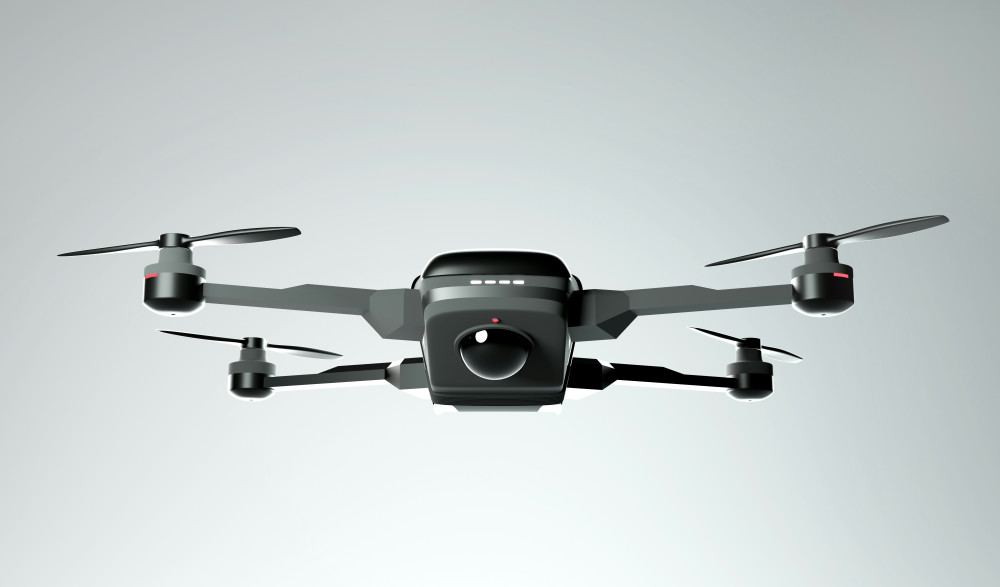
Drones – get a complete overview of models and features
Experience new perspectives with modern drone technology for both leisure and home use
Technology
Technology
Drones
Smart home
Technology
Home
Gadgets
7 min
Get a complete overview of drones for both hobby and home use. The article reviews different types and features so you can find the model that best suits your needs and budget.
Maia Lopez
Maia
Lopez
Lenses for every photography enthusiast – see the selection and get inspired
Find the right lens for your creative visions and get more out of your camera
Technology
Technology
Photo equipment
Lenses
Camera
Photography
Technology
4 min
Explore a selection of lenses for all types of photography. Get an overview of different models, features and areas of use, and find inspiration to choose the lens that best suits your creative needs.
Savannah Jones
Savannah
Jones
Camera tripods – a practical overview for those who want to compare models
Get stable shots and flexible angles with the right tripod for your camera
Technology
Technology
Camera tripod
Photography equipment
Video recording
Photography
Technology
7 min
Camera tripods provide stability and control in your shots. Here you get an overview of different types, features and materials, so you can easily compare models and find the tripod that best suits your camera.
Daisy Adams
Daisy
Adams
Different instant cameras – from classic to modern design
Capture the moment with cameras that combine nostalgia and today’s technology
Technology
Technology
Instant camera
Photography
Gadgets
Retro
Everyday technology
2 min
Instant cameras combine retro charm with modern technology. In this article, you get an overview of different models and features, so you can find the camera that best suits your style and needs.
Autumn Diaz
Autumn
Diaz
Overview: Mobile phone holders for many purposes and needs
Make everyday life easier with the right holder for your smartphone
Technology
Technology
Mobile phone holder
Smartphone
Accessories
Gadgets
Everyday technology
5 min
Get an overview of different types of mobile phone holders for car, bike, office and home. The article provides insight into features and possible uses, so you can find the solution that best suits your everyday life.
Alexander Jones
Alexander
Jones
Overview of modems with different technologies and features
Find the right modem for your internet connection and your needs
Broadband
Broadband
Modem
Internet
Network
Technology
Connection
3 min
Get an overview of different types of modems and their features. The article reviews technologies such as DSL, cable, fibre and 5G, so you can find the modem that best suits your internet connection.
Maia Lopez
Maia
Lopez
Overview: Access points for different needs and network solutions
Get stable and fast wireless network throughout your home
Broadband
Broadband
Wi-Fi
Network
Access point
Smart home
Internet
7 min
Get control of your wireless network with the right access point. The article provides an overview of different types and functions, so you can find the solution that best suits your home and your needs.
Savannah Jones
Savannah
Jones