Balancing the Present and the Future: Combining Short-Term and Long-Term Budgeting


Balancing the Present and the Future: Combining Short-Term and Long-Term Budgeting
Keeping your finances on track isn’t just about paying the bills today—it’s also about building stability and opportunity for tomorrow. Many people focus on one side or the other: either living paycheck to paycheck or planning so far ahead that the present feels too tight. The best approach lies somewhere in between. Here’s a guide to combining short-term and long-term budgeting so you can enjoy peace of mind now while staying on course for the future.
Why Two Budgets Give You a Clearer Picture
A budget is a tool for managing your money—but no single budget can do everything. A short-term budget helps you stay on top of everyday expenses, while a long-term budget gives you direction and goals for the years ahead. Using both provides a more realistic view of how your money works for you.
- The short-term budget shows what you have available month by month. It helps you avoid overspending and ensures that recurring bills are paid on time.
- The long-term budget focuses on savings, investments, and major life goals—like buying a home, paying for college, or preparing for retirement. It helps you see how today’s choices shape your financial future.
By combining the two, you can respond quickly to changes in your daily life while keeping your long-term goals in sight.
The Short-Term Budget – Managing the Everyday
Your short-term budget is the foundation of your financial health. It typically covers a month or a quarter and tracks how much you earn and how you spend it.
Start by dividing your expenses into three categories:
- Fixed expenses – rent or mortgage, insurance, utilities, subscriptions, and transportation.
- Variable expenses – groceries, dining out, entertainment, clothing, and gifts.
- Savings and debt payments – money you set aside or use to pay down loans or credit cards.
Once you know where your money goes, you can identify areas for adjustment. Small changes—like cutting back on impulse purchases or comparing prices on streaming services—can free up funds for savings or investments.
A practical tip: use a budgeting app or spreadsheet that updates automatically. Many apps link to your bank accounts and categorize expenses for you, making it easier to stay on track and adjust as needed.
The Long-Term Budget – Setting Your Financial Direction
While your short-term budget keeps daily life running smoothly, your long-term budget builds freedom and security. It usually looks three to ten years ahead and focuses on major financial goals.
Ask yourself:
- What dreams do I want to achieve—homeownership, travel, education, early retirement?
- How much do I need to save to reach them?
- How can I invest my money so it grows over time?
A long-term budget helps you prioritize. Maybe that means saving a little less for vacations this year so you can put more toward a down payment. Or perhaps it’s paying extra on student loans to reduce future interest costs.
The key is to stay realistic and flexible. Life changes—jobs, family, health—and your plan should evolve with it.
Læs også:


How to Make the Two Budgets Work Together
Combining short-term and long-term budgeting is about creating alignment. You can do this by letting the two systems inform each other:
- Start with your short-term budget. It shows what’s truly available each month.
- Transfer a set amount toward long-term goals. This could go into a savings account, retirement plan, or investment portfolio.
- Review quarterly. Check whether you’re staying on track and whether your goals still make sense.
This approach turns your long-term plan from an abstract idea into a living part of your everyday finances. You gain both structure and flexibility—and avoid feeling like your money is controlling you.
Using Technology to Stay Organized
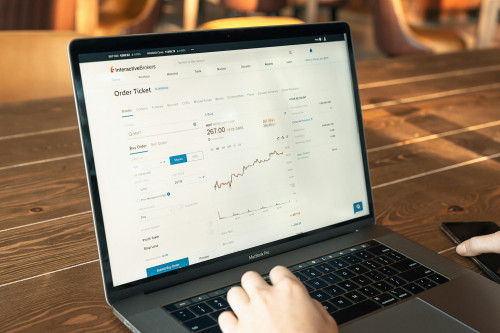
Digital tools can make managing both short- and long-term budgets much easier. Many apps automatically categorize spending, display charts of your habits, and remind you of savings goals.
Some platforms even integrate budgeting with investment tracking, so you can see how your money grows over time. This gives you a complete overview and helps you make decisions based on data rather than guesswork.
Choose a tool that fits your lifestyle—the most important thing is that you actually use it consistently.
A Balanced Financial Life Brings Confidence and Freedom
When you find the balance between the present and the future, you get the best of both worlds: the ability to enjoy life today without guilt, and the confidence that you’re moving in the right direction.
Budgeting isn’t about restriction—it’s about freedom. Freedom to choose, to plan, and to act with confidence.
By combining short-term and long-term planning, you create a financial compass that helps you navigate securely—today and tomorrow.
Læs også: